
Shatteringly crispy golden tofu bites coated in a glossy, sweet, spicy Korean chili glaze. Ready in 25 minutes and way better than takeout.
If you have ever had soggy or bland tofu, this recipe will completely redefine your expectations. Pan frying starch dusted tofu creates an impossibly shatteringly crisp crust that drinks up a rich, sticky Korean glaze.
Gochujang is a fermented Korean red chili paste made from chili powder, glutinous rice, fermented soybeans, and salt. It delivers a deeply complex flavor profile combining fiery heat, natural sweetness, and intense umami depth that plain hot sauce cannot replicate.
The beauty of this bowl lies in the contrast of temperatures and textures. Piping hot crispy tofu coated in sweet spicy glaze pairs naturally with cool steamed jasmine rice and crisp tender broccoli florets. Every bite provides plant based protein with restaurant quality satisfaction.
When we first tested this recipe, we poured the sauce over the tofu while the pan was on high heat. The sugars caramelized too rapidly and scorched the glaze. The simple fix is reducing the stovetop to medium low before adding the sauce so it bubbles gently into a lustrous coating without burning.
Tofu is packed with water, containing roughly 85 percent moisture by weight. If that water remains on the surface when hitting hot oil, it instantly turns to steam, which boils the exterior rather than frying it into a crisp shell.
Pressing your block of extra firm tofu for at least 15 minutes expels trapped surface liquid. Tossing the dry pressed cubes in cornstarch creates a thin starch matrix on the exterior. When this starch contacts hot neutral oil, it undergoes rapid gelatinization and dehydration, producing a delicate, glass like crust that stays crispy even after saucing.
The glaze relies on a precise balance of acidity and sweetness to temper the fiery heat of gochujang. Pure maple syrup provides viscosity and gloss, while unseasoned rice vinegar introduces acetic acid to cut through the heavy fermented paste. Low sodium soy sauce amplifies the natural glutamates for maximum savory impact.
Tossing the crispy tofu in the pan for only 60 to 90 seconds allows the sauce to reduce into a sticky cling wrap around each cube without penetrating deep enough to soften the crisp inner crust.
Always purchase extra firm or super firm vacuum sealed tofu. Soft, silken, or standard firm tofu contains far too much internal water and will crumble into pieces during pan frying.
Look for authentic Korean gochujang sold in red rectangular plastic tubs in the Asian aisle or local international supermarket. If you prefer a milder bowl, reduce the gochujang to 1.5 tablespoons and increase the maple syrup slightly.
Cornstarch is our top recommendation for the crispy coating, but potato starch or arrowroot powder works equally well. Do not use all purpose wheat flour, as it creates a thick doughy crust rather than a light, airy crunch.
For the bowl assembly, we love pairing the sticky tofu with steamed broccoli florets, edamame, and thinly sliced scallions. You can easily swap in roasted snap peas, sautéed baby bok choy, or spicy kimchi to add tangy fermented crunch.
Sticky gochujang tofu is an exceptional candidate for weekly meal prep lunches. Store the sauced tofu, cooked jasmine rice, and steamed vegetables together in airtight glass meal prep containers in the refrigerator for up to 4 days.
To retain maximum crispiness upon reheating, warm the tofu cubes in an air fryer or toaster oven at 375 degrees Fahrenheit for 4 to 5 minutes. The high circulating dry heat re-crisps the starchy exterior instantly.
If using a microwave at work or school, heat on medium high for 90 seconds until warmed through. While the crust will soften slightly in the microwave, the bold sticky flavors remain remarkably delicious.
You can also double the gochujang sauce recipe and store a jar in the refrigerator for up to 2 weeks. It makes an incredible stir fry sauce for noodles, a marinade for roasted cauliflower, or a spicy glaze for grilled vegetables.
Give the tofu cubes breathing room in the pan. If crowded together, the escaping steam gets trapped between the cubes and prevents the cornstarch from forming a crisp crust.
Gochujang and maple syrup have high sugar content that can burn quickly on high heat. Lowering the stove to medium low lets the sauce thicken into a sticky lacquer smoothly without turning bitter.
For an even crispier bite with rustic restaurant style crags, hand-tear the pressed tofu block into jagged chunks instead of slicing into straight cubes. The rough edges trap significantly more glaze.
Gochujang paste already contains salt from the fermentation process. Using low-sodium soy sauce prevents the glaze from becoming overly salty once reduced in the hot skillet.
Follow me on Pinterest for more delicious ideas!

John is a certified nutritionist and former restaurant head chef. He shares healthy, weeknight-friendly meals that don't compromise on flavor.
View all recipes by John ➔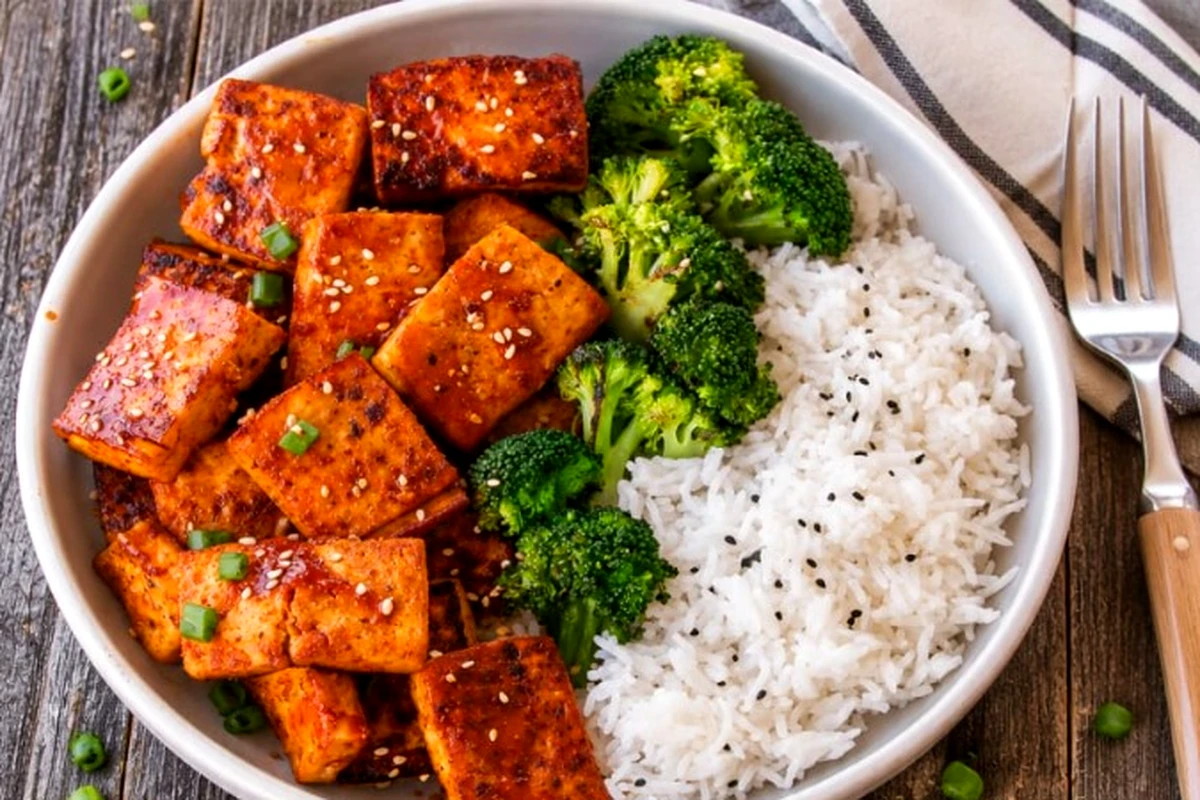

Comments & Reviews
4.8 (125 Ratings)Leave a Reply
Chloe D.
★★★★★ August 2026This is hands down the best tofu recipe I have ever made. The cornstarch trick gave it such a loud crunch and the gochujang sauce is intensely flavorful. My meat-eating partner asked for seconds.
ReplyMarcus L.
★★★★★ August 2026Followed the tip about turning down the heat before adding the sauce and it turned out with a perfect glossy glaze. Paired it with steamed broccoli and brown rice for meal prep.
ReplyPriya S.
★★★★★ August 2026The balance of sweet, spicy, and savory in this glaze is absolute perfection. Took less than 25 minutes on a busy Tuesday night. Adding this to our permanent weekly dinner rotation.
Reply